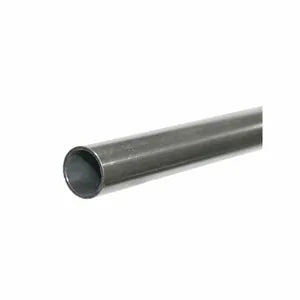
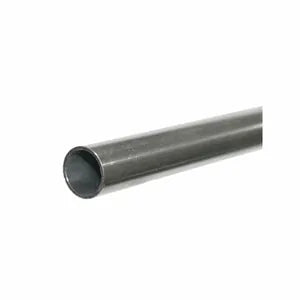
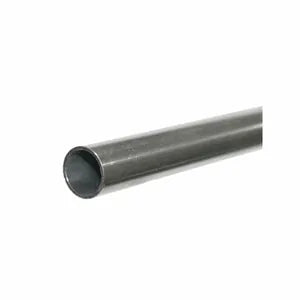
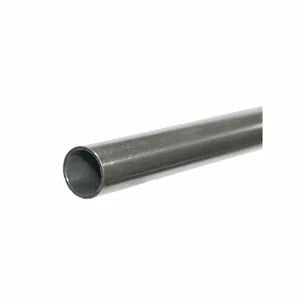
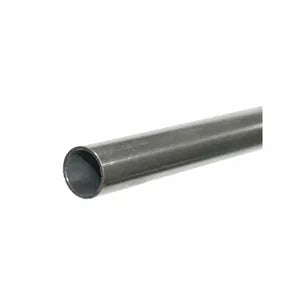
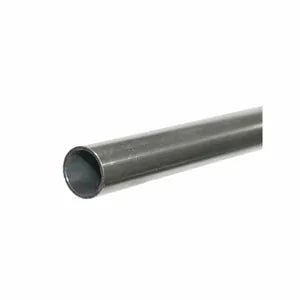
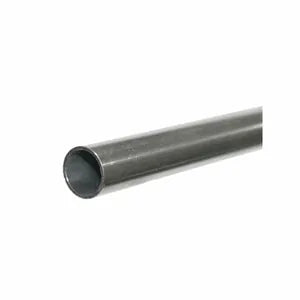
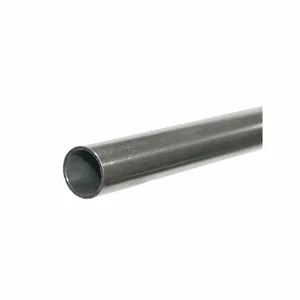
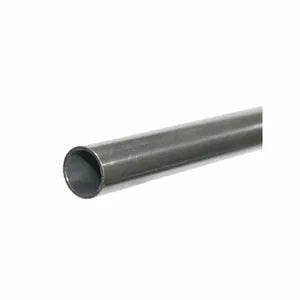
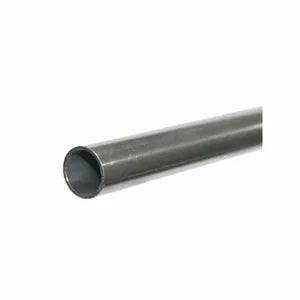
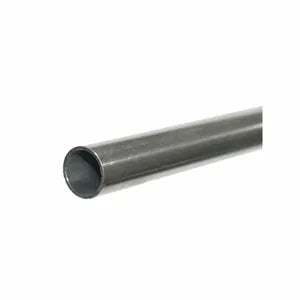
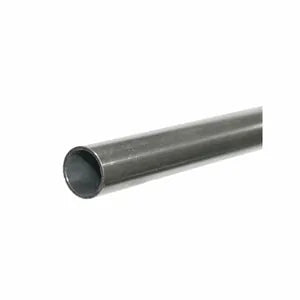
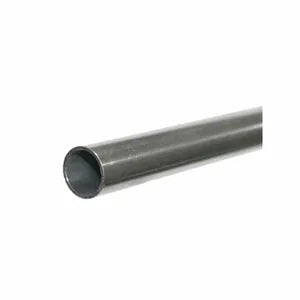
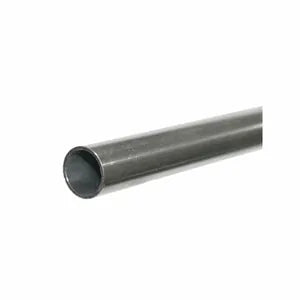
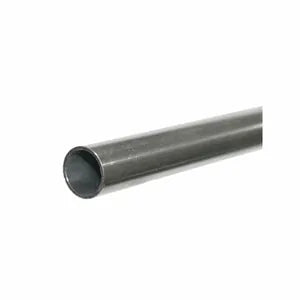
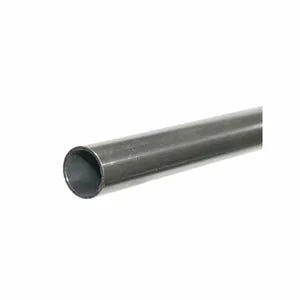
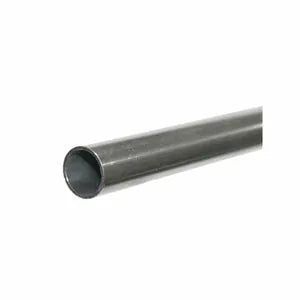
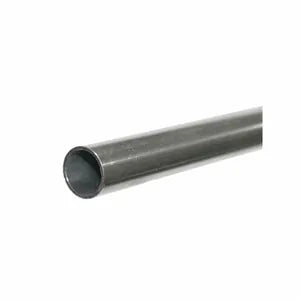
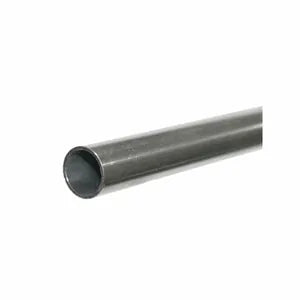
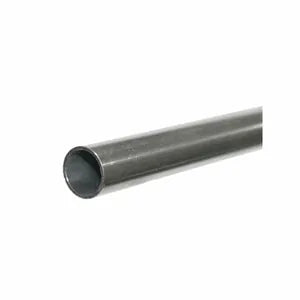
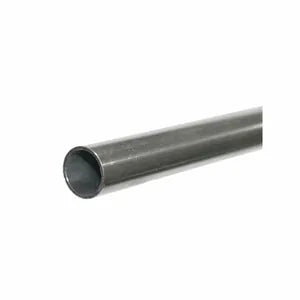
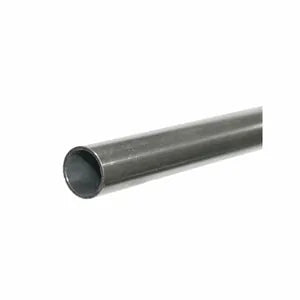
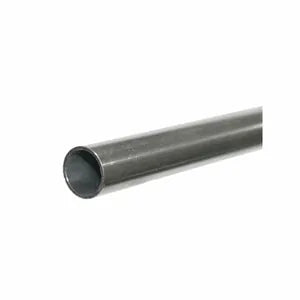
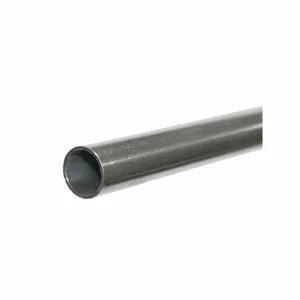
Shop stainless steel tubing for commercial, industrial, mechanical, instrumentation, and process applications. PipingNow carries round, square, rectangular, welded, seamless, instrumentation, and mechanical stainless steel tubing in a wide range of sizes and material grades.
This collection includes 304 stainless steel, 316 stainless steel, 304L stainless steel, and 316L stainless steel tubing. Available options include outside diameters starting at 1/8 in, larger tubing sizes up to 4-1/2 in, and select metric outside diameter options.
Types of Stainless Steel Tubing
PipingNow offers several stainless steel tubing styles to support different applications and installation requirements. Use the filters on this page to narrow the collection by tubing type, size, outside diameter, material, and category.
-
Round stainless steel tubing: Commonly used in process, instrumentation, mechanical, and structural applications.
-
Square stainless steel tubing: Often used for fabrication, frames, supports, guards, and structural applications.
-
Rectangular stainless steel tubing: Used where strength, shape, and flat-sided support are important.
-
Seamless stainless steel tubing: Produced without a welded seam and often selected for demanding applications or project specifications requiring seamless construction.
-
Welded stainless steel tubing: Commonly used in general-purpose tubing applications where welded construction is acceptable.
-
Instrumentation tubing: Used in control, measurement, sampling, and process systems where clean, consistent tubing is required.
-
Mechanical tubing: Used in fabrication, structural, support, and general mechanical applications.
Available Stainless Steel Grades
This collection includes stainless steel tubing in 304, 304L, 316, and 316L grades. 304 stainless steel is a common general-purpose stainless option used in a wide range of tubing applications. 304L stainless steel has a lower carbon content and may be selected for applications where weldability or project specifications call for the L-grade material.
316 stainless steel and 316L stainless steel provide improved corrosion resistance compared to 304 grades. These materials are often selected for chemical exposure, washdown environments, marine or coastal applications, food and beverage systems, and industrial process applications where added corrosion resistance is important.
Round, Square, and Rectangular Tubing
Stainless steel tubing is available in multiple shapes depending on the application. Round tubing is commonly used for fluid, gas, instrumentation, process, and general mechanical applications. Square and rectangular tubing are often used for frames, supports, equipment fabrication, guards, and structural assemblies.
When choosing between round, square, and rectangular tubing, consider the application, load requirements, fabrication method, appearance, connection method, and project specification.
Welded vs. Seamless Stainless Steel Tubing
Welded stainless steel tubing is made with a welded seam and is commonly used in many general-purpose mechanical and industrial applications. Seamless stainless steel tubing is produced without a welded seam and may be required for specific pressure, temperature, instrumentation, or process applications.
The right choice depends on the project specification, pressure requirements, temperature requirements, corrosion exposure, and whether the application requires seamless construction. Always confirm the tubing type and material grade before ordering.
Stainless Steel Tubing Sizes
PipingNow carries stainless steel tubing in a wide range of sizes. Available size filters include common tubing sizes such as 1/2 in, 3/4 in, 1 in, 1-1/2 in, 2 in, 3 in, 4 in, and larger options. Outside diameter filters include sizes from 1/8 in through 4 in, along with select metric outside diameter options.
| Product Type |
Available Shapes / Types |
Available Materials |
Size Range |
| Stainless Steel Tubing |
Round, Square, Rectangular, Welded, Seamless, Instrumentation, Mechanical |
304, 304L, 316, 316L Stainless Steel |
1/8 in OD to 4-1/2 in |
How to Choose Stainless Steel Tubing
Start by identifying the tubing shape and construction required for the job. Round tubing is commonly used for instrumentation, process, and general mechanical applications, while square and rectangular tubing are often used for fabrication and support work. If the project requires seamless tubing, use the tubing type filter to narrow the collection to seamless options.
Next, choose the stainless steel grade. 304 and 304L are common choices for general stainless tubing applications. 316 and 316L are often selected when the application requires stronger corrosion resistance. Finally, confirm the outside diameter, wall requirement, length, finish, pressure or structural requirements, and any applicable project specifications.
Related Tubing Categories
All Tubing | Seamless Tubing | Stainless Steel Tube Fittings | Pipe
Stainless Steel Tubing FAQs
What types of stainless steel tubing are available?
This collection includes round, square, rectangular, welded, seamless, instrumentation, and mechanical stainless steel tubing.
What stainless steel grades are available?
PipingNow carries stainless steel tubing in 304, 304L, 316, and 316L stainless steel.
What is the difference between 304 and 316 stainless steel tubing?
304 stainless steel is a common general-purpose stainless material. 316 stainless steel offers improved corrosion resistance and is often used in harsher environments, chemical exposure, washdown areas, and coastal applications.
What is the difference between welded and seamless tubing?
Welded tubing is manufactured with a welded seam. Seamless tubing is produced without a welded seam and may be required for certain process, pressure, instrumentation, or specification-driven applications.
What sizes are available?
This collection includes stainless steel tubing with outside diameters starting at 1/8 in and tubing sizes up to 4-1/2 in, along with select metric outside diameter options.